Pest Control Services for Safe and Sanitary Workplaces
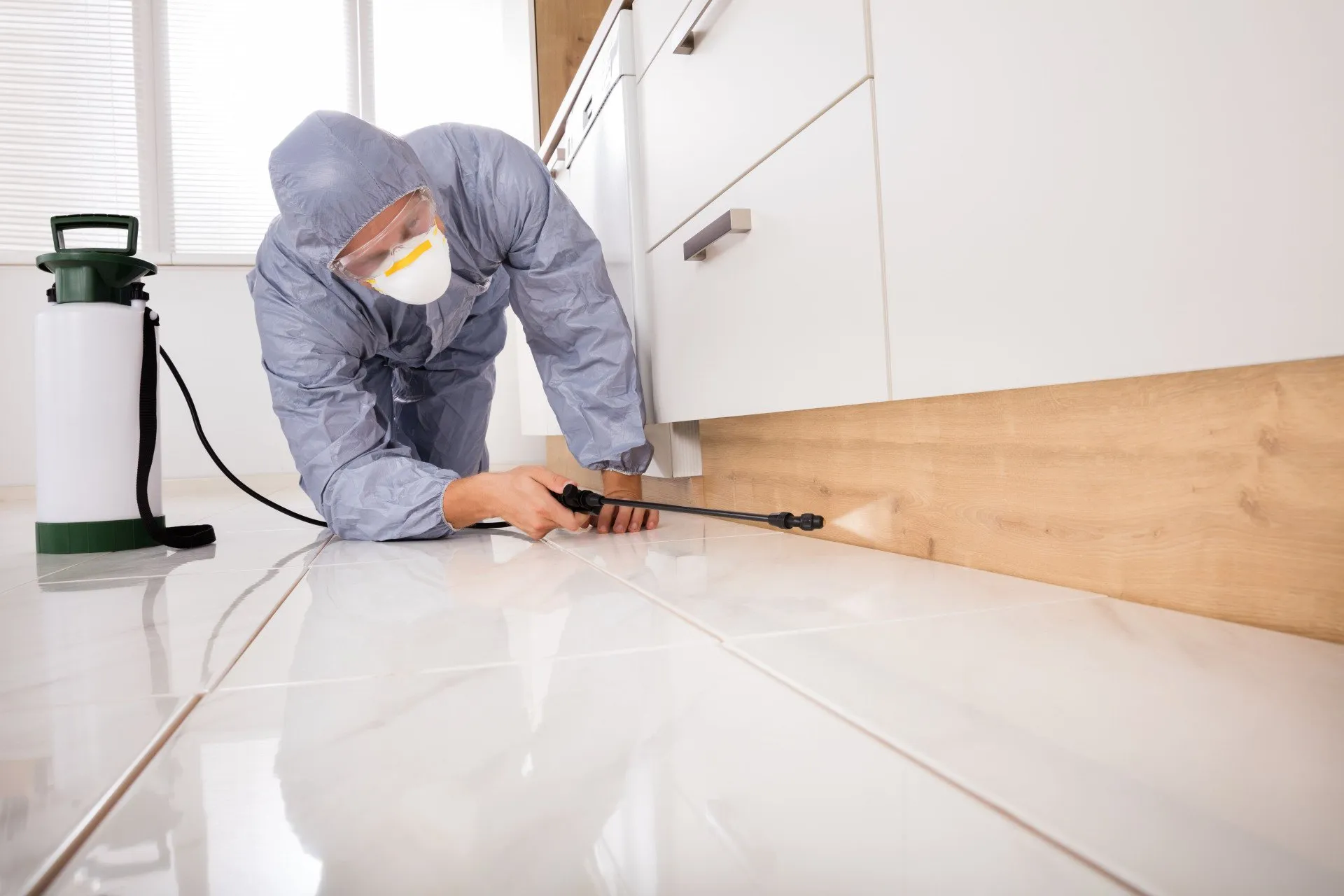
A clean workplace is never just about what people can see. Floors may shine, bins may be emptied on schedule, and washrooms may smell fresh, yet a building can still harbor pests in wall voids, ceiling spaces, loading docks, drains, storerooms, and break areas. That gap between appearance and actual sanitary conditions is where business risk grows quietly.
Pests do not simply create an unpleasant impression. In a workplace, they can contaminate stock, damage wiring, chew packaging, spread bacteria, trigger regulatory action, and unsettle employees who are trying to do their jobs. One mouse sighting in a warehouse can halt a shipment. A line of ants in a staff kitchen can prompt complaints that spread faster than the insects themselves. Fruit flies around a drain in a café office hub may signal moisture and organic buildup that routine cleaning missed. By the time pests become obvious, the underlying problem has usually been present for weeks.
That is why professional Pest Control Services matter. The real value is not just removing a visible infestation. It is protecting the workplace as a functioning environment where people can work safely, customers can trust what they see, and management can avoid the expensive spiral that begins with a small issue and ends with product loss, repairs, downtime, or reputation damage.
What workplace pest control actually covers
People often think of pest control as a reactive visit after someone spots a rat or hears scratching in the ceiling. In practice, quality service is much broader. It combines inspection, monitoring, exclusion, sanitation advice, treatment, and follow-up. In well-run commercial sites, pest control is closer to risk management than emergency cleanup.
A technician with commercial experience looks beyond the pest itself and reads the building. They notice whether stock is stacked too tightly against walls, whether dock doors fail to seal at the corners, whether pallets are coming in from suppliers with evidence of stored product pests, and whether drains are supporting fly activity. They ask how waste moves through the building, where employees eat, when cleaning crews work, and whether recent renovations opened new access points.
That matters because pest pressure rarely comes from one single cause. A cockroach issue in a staff kitchen may involve a leaking pipe, unsealed wall penetrations behind appliances, cardboard storage, and inconsistent night cleaning. Rodent activity near a workshop may be tied to bird seed stored in a maintenance area, clutter near exterior walls, and a damaged door sweep at the back entrance. If treatment focuses only on the visible pest, the problem returns.
The strongest Pest Control Services are built around prevention first and treatment second. Chemicals have their place, but they should support a larger strategy rather than substitute for one.
Why offices are not as low-risk as they seem
Office managers sometimes assume pest issues belong to restaurants, factories, or warehouses. In reality, office buildings create plenty of opportunities for pests. Staff kitchens, vending areas, upholstered furniture, potted plants, janitorial closets, ceiling voids, and warm server rooms all provide shelter or food.
One property manager I worked with was puzzled by recurring mouse sightings on the third floor of a modern office complex. The building looked immaculate. No tenant reported poor housekeeping. The source turned out to be far more ordinary than expected. A ground-level café shared service corridors with the office floors, and delivery doors were often propped open during morning rush periods. Rodents were entering at the loading area, moving through utility pathways, and finding food in desk drawers and break rooms upstairs. The issue was solved only when the building changed door practices, improved corridor sealing, and tightened food storage expectations for tenants.
Offices also face a perception problem. In a warehouse, a pest sighting often prompts immediate action because the risk feels operational. In offices, managers may delay because they hope one isolated incident will disappear on its own. That delay is costly. Small infestations are usually manageable. Established ones require broader treatment, more disruption, and more documentation.
Warehouses, manufacturing sites, and distribution centers carry different risks
Industrial and logistics environments present another set of challenges. The buildings are larger, access points are more numerous, and incoming goods create constant opportunities for pests to hitchhike inside. Rodents, birds, stored product insects, and occasional invaders such as spiders or beetles all show up in these spaces, but the driving factors vary by operation.
A food-adjacent warehouse may attract rodents through grain dust, damaged goods, or spills around compactor areas. A general merchandise distribution center may struggle more with pests arriving inside cardboard, on wooden pallets, or in seasonal inventory. Manufacturing plants often deal with moisture and heat around drains, processing lines, or utility rooms, which can support flies and cockroaches if sanitation slips.
In these facilities, pest control has to fit around movement and volume. A treatment plan that works in a small retail unit may be useless in a 200,000 square foot warehouse with multiple shifts and daily trailer turnover. Monitoring points have to be mapped intelligently. Exterior pressure needs to be managed at the perimeter, not just inside. Staff need to know what signs matter and how quickly to report them. Most importantly, pest control findings have to translate into practical corrective actions, not generic notes buried in a service report.
The hidden costs of waiting too long
When business leaders think about pests, they often picture the direct service fee to remove them. In reality, the larger costs come from everything around the infestation. These can be harder to see at first, which is why they are often underestimated.
A single recurring pest issue can lead to product disposal, overtime cleaning, damaged stock, staff complaints, equipment downtime, failed inspections, emergency callouts, and customer skepticism. In hospitality, healthcare, and food-related settings, the reputational cost can dwarf the treatment cost. In offices, the effect shows up in morale and trust. Employees do not forget the day a cockroach crawled across the break room counter or when droppings were found near stored supplies.
There is also the operational distraction. Managers end up coordinating cleaners, maintenance teams, suppliers, landlords, and pest technicians under pressure. Decisions get rushed. Temporary fixes multiply. In my experience, the most expensive pest problem is rarely the largest infestation. It is the moderate problem that everyone hoped would stay manageable until it no longer was.
What a strong commercial pest control program looks like
Good commercial pest control is systematic. It should be visible in records, in building practices, and in how the site responds between visits. The program needs to match the building, the hours of operation, the type of goods handled, and the tolerance for disruption.
A capable provider typically starts with a thorough inspection rather than a generic quote. They look at interior and exterior conditions, identify current and potential pest pressures, and note structural and housekeeping issues that support pest activity. From there, they build a service schedule and treatment approach that suits the site. A downtown law office, a cold storage facility, and a medical clinic should not receive identical plans.
There are a few signs that a pest control program is doing its job well:
- Reports identify root causes, not just where traps were checked.
- Recommendations are specific, practical, and tied to the site layout.
- Trends are tracked over time so recurring pressure is noticed early.
- Communication is clear enough that cleaning, maintenance, and management can act on it.
- The site becomes less vulnerable over time, rather than dependent on repeated emergency treatment.
That last point matters. If a business is paying for frequent callouts year after year without seeing a reduction in pest pressure, something is missing. The service may be treating symptoms while the building and https://landenxkci020.quantlynix.com/posts/finding-dependable-pest-control-services-in-your-local-area operating practices continue to feed the problem.
Sanitation and pest control are partners, not substitutes
One of the most common misunderstandings in commercial settings is the idea that pest control can compensate for weak sanitation. It cannot. Pest control technicians can reduce populations and identify trouble spots, but if food residue, moisture, clutter, and access remain unchanged, the building will continue to invite pests.
Sanitation does not have to mean perfection. Workplaces are active places, and some mess is inevitable. What matters is whether the building consistently removes the conditions pests need to settle in. In practical terms, that means waste should move out regularly, food spills should not sit overnight, drains should be cleaned properly, and storage should allow inspection and airflow rather than creating dark, undisturbed harborages.
I have seen beautifully maintained front-of-house spaces hide severe back-of-house issues. One site had polished meeting rooms and spotless reception areas, but the staff pantry behind them was full of open snack boxes, sugar spills inside cabinets, and an old refrigerator seal that trapped debris. Ants had established a steady trail behind the skirting board. The pest issue looked sudden to the office staff because they only saw it when ants reached the countertop. In reality, the infestation had been developing in a neglected pocket of the building for some time.
Pest Control Services work best when they are supported by cleaning protocols that reflect how the space is actually used. A once-a-day checklist may be fine for a quiet office. It may be inadequate for a busy production site, healthcare environment, or mixed-use building with food service on the ground floor.
Exclusion is where many businesses win or lose
If sanitation removes food and moisture, exclusion removes opportunity. Yet exclusion is often the least glamorous part of pest management, so it gets delayed. That is a mistake. Sealing gaps, repairing door sweeps, screening vents, improving dock seals, and closing utility penetrations often deliver longer-lasting results than repeated treatment alone.
Rodents can exploit openings that seem insignificant. Insects need even less. Many commercial buildings also change over time. Contractors drill new openings for cables or pipes, temporary repairs become permanent, and wear at thresholds or service doors gradually creates access points. A building that was secure two years ago may now be full of weak spots.
For workplaces with recurring rodent pressure, I often advise management to walk the exterior at dawn or dusk with maintenance and the pest provider together. Looking at the building from the outside, at pest level rather than from behind a desk, changes the conversation. Suddenly the overgrown vegetation touching the wall, the overflowing waste area, the light spilling from under the receiving door, and the open weep holes near pipe entries become obvious. Those details are easy to miss in reports and much harder to ignore in person.
Different industries need different tolerances and response times
Not every workplace requires the same threshold for action. In some settings, one isolated ant near an exterior door is a housekeeping note. In others, any pest evidence triggers immediate escalation and documentation.
Healthcare facilities, food production sites, pharmaceuticals, childcare environments, and hospitality venues generally need tighter controls and faster response. Offices, educational buildings, and general retail sites may have more flexibility, but they still need clear procedures. The key is to define what counts as an acceptable level of risk before an incident occurs.
The most resilient businesses establish response rules in advance. If there is rodent evidence in a storage room, who gets notified? If flies are caught repeatedly near a drain, who checks the plumbing and cleaning method? If a technician recommends sealing five exterior gaps, who owns that work order and by when? Without that clarity, pest control reports become archives of unresolved warnings.
Choosing a provider without getting distracted by promises
Commercial buyers are often presented with broad claims, polished proposals, and low monthly fees. Price matters, but the cheapest program can become the most expensive if it misses the conditions driving pest activity. A good provider should be able to explain not just what they will do, but why it fits your building and your risk profile.
The best questions are practical. Ask how inspections are documented, how trends are tracked, how urgent issues are escalated, and what support they provide during audits or inspections. Ask how they handle sensitive environments where treatment options may be limited. Ask whether their technicians understand your industry, because a person who mainly services homes may not be ready for a large warehouse, a clinic, or a multi-tenant commercial property.
It is also worth paying attention to the quality of recommendations. Weak providers often leave notes that are technically correct but operationally useless, such as advising a site to “improve sanitation” without saying where or how. Strong providers point to exact issues: residue buildup inside a floor drain in the east prep area, a two-centimeter gap under the rear fire door, cardboard storage against the south wall, or standing water under the mop sink.
How employees influence pest risk more than they realize
Workplace pest management is not only a facilities issue. Staff behavior plays a significant role, especially in offices and shared spaces. Snacks stored in desks, dirty mugs left overnight, bins without liners, and food deliveries left open in conference rooms all contribute to pest pressure. None of these habits seem serious in isolation. Together, they create a dependable food source.
This does not mean organizations need heavy-handed rules. What they need is basic awareness and consistency. People are more likely to cooperate when they understand the reason behind a policy. Telling staff not to keep open food at desks sounds fussy. Explaining that even small crumbs can sustain ants or mice in hidden spaces tends to get a different response.
One of the simplest improvements I have seen came from a company that changed its end-of-day routine. The office manager introduced a five-minute closeout for shared areas, with clear counters, empty food waste, and sink checks before the last team left. It was not presented as a pest initiative. It was presented as part of keeping the workplace ready for the next morning. That small operational habit reduced recurring pantry pest issues more effectively than repeated spot treatments had.
When emergency treatment is necessary
Preventive work is ideal, but some situations need immediate intervention. Rodent activity near food storage, cockroach sightings in a healthcare setting, stinging insects near employee access, or bird contamination in loading areas can require rapid action. The key is to respond decisively without defaulting to panic.
An emergency response should still be disciplined. The site needs a quick assessment, targeted treatment, temporary controls if needed, and a short timeline for corrective actions. If the root cause is structural or procedural, that part cannot wait for the “next maintenance cycle.” I have seen sites spend heavily on emergency work only to delay the relatively inexpensive door repair or drain fix that would have stabilized the problem.
A sensible immediate-response process usually includes the following:
- Confirm the pest and the affected area quickly.
- Protect people, products, and sensitive zones first.
- Apply targeted treatment or trapping suited to the environment.
- Correct access, moisture, or sanitation issues within days, not weeks.
- Reinspect to verify that activity is actually declining.
Without that final verification step, businesses often assume the issue is resolved because visible sightings stop temporarily. Good follow-up is what separates relief from resolution.
Documentation matters more than many teams expect
For some businesses, documentation is mainly an internal management tool. For others, it is essential for compliance, audits, landlord coordination, insurance questions, or client assurance. Either way, records matter because they reveal patterns that isolated incidents do not.
A service log that shows repeated captures near one dock door, repeated fly activity in one drain line, or seasonal spikes around one landscaped perimeter gives management something concrete to act on. It also helps identify whether recommendations are being completed. If the same note appears month after month, the problem may not be pest control at all. It may be a maintenance backlog or unclear accountability.
Well-kept records also strengthen communication across departments. Housekeeping, operations, facilities, and site leadership often see only their piece of the building. Pest documentation connects the dots.
Safe and sanitary workplaces are built, not declared
No company can guarantee a pest-free environment forever. Buildings age, weather changes, deliveries arrive, staff habits slip, and neighboring properties create pressure that spills over. What businesses can do is build a workplace that is far less attractive to pests and far quicker to respond when signs appear.
That starts with seeing pest control as part of workplace health, not as a side service called in after embarrassment sets in. Professional Pest Control Services protect sanitation standards, employee confidence, operational continuity, and brand credibility. They also force useful discipline in areas many businesses neglect, such as storage practices, exclusion details, drainage, and waste handling.
The workplaces that stay consistently safe and sanitary are not necessarily the ones spending the most on treatment. They are the ones that treat pest control as a living system. They inspect carefully, act early, repair access points, support sanitation, train staff, and hold follow-through to the same standard as any other operational risk. That approach is less dramatic than crisis response, but it is far more effective. Over time, it is also what keeps a building genuinely clean, not just visibly tidy.
Affordable Pest Solutions LLC
Phone number: +19732299547
FAQ About Pest Control Services
How much does pest control charge?
For a standard 1,500-square-foot home, professional pest control charges generally average $100 to $300 for an initial visit, with ongoing monthly services running $40 to $75 per visit and one-time emergency exterminations costing $100 to $600, depending heavily on the specific pest and the severity of the infestation.
What is the hardest pest to get rid of?
Bed bugs are widely considered the hardest household pest to get rid of, closely followed by German cockroaches and subterranean termites.
What is included in a pest control service?
A standard pest control service includes a property inspection, targeted treatments, and prevention advice. It typically covers common pests like ants, spiders, and cockroaches, using sprays, baits, or traps.