Smart Reasons to Book Preventive Pest Control Services Today
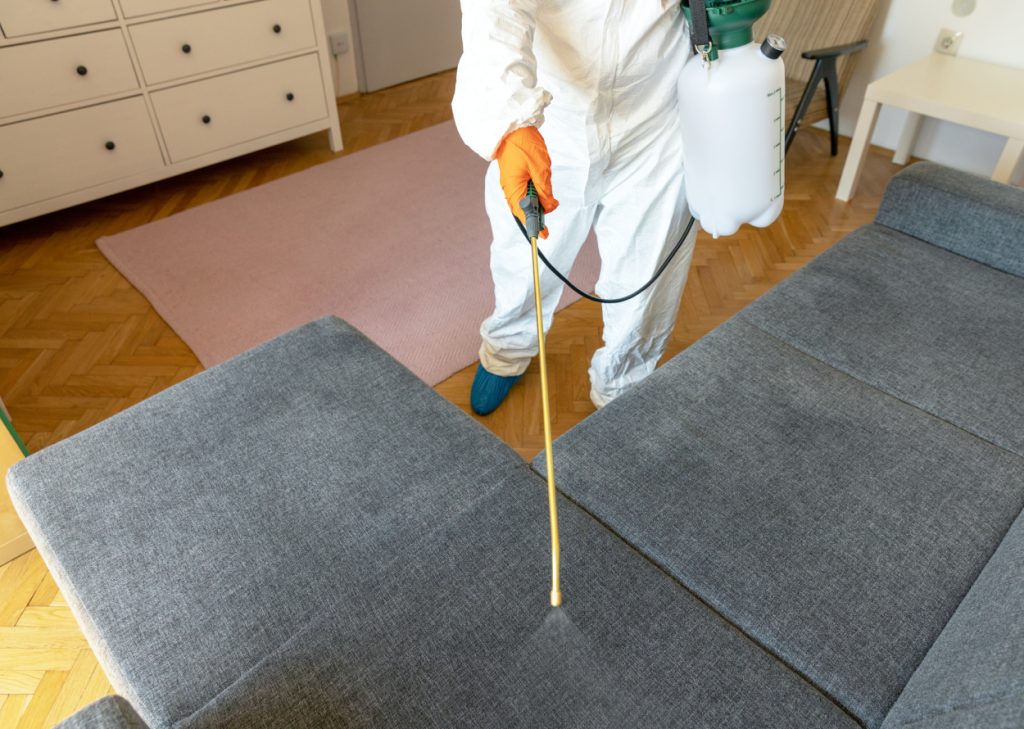

Most pest problems do not begin with a dramatic moment. They start quietly, behind drywall, under sinks, along foundation lines, inside attics, or in the few inches of damp mulch pressed against siding. By the time a homeowner notices droppings, chewed packaging, hollow-sounding wood, or ants tracing a baseboard, the real problem has often been building for weeks or months.
That is the strongest case for preventive Pest Control Services. Prevention works before pests become expensive, disruptive, or unhealthy. It gives property owners control over timing, cost, and risk. It also changes the conversation from emergency response to long-term protection, which is where both homes and budgets tend to fare better.
People often hesitate because they assume pest control is only necessary once there is visible activity. In practice, that is usually the costliest moment to act. Reactive treatment can still solve the issue, but it rarely delivers the same ease or efficiency as staying ahead of the problem. Anyone who has dealt with recurring roaches in a kitchen, termites discovered during a remodel, or rodents in attic insulation understands that delay has a price.
The hidden math of waiting too long
When people compare the cost of preventive service to doing nothing, they usually leave out the cost of being wrong.
A routine exterior treatment and inspection might feel optional in a quiet season. A carpenter ant colony tunneling into damp framing does not announce itself on a schedule that suits the owner. Neither do roof rats that enter through a gap no wider than a couple of inches, or termites that work for years before the damage becomes obvious. Preventive service is not just about spraying for bugs. It is about trained observation, seasonal timing, and interrupting conditions that allow pests to establish themselves.
In my experience, homeowners tend to underestimate how quickly a minor issue becomes a layered one. A few mice in a garage can turn into nesting in insulation. A moisture problem under a sink can support cockroaches and attract ants. Standing water in a yard can drive mosquito activity, which changes how often a family actually uses its outdoor space. One pest issue can also mask another. If everyone is focused on pantry moths, no one may notice the early signs of a wasp problem developing under the eaves.
Emergency treatment almost always costs more than prevention because it involves deeper labor, more follow-up, more material, and more disruption. There may also be repair costs that pest control alone cannot solve. Replacing contaminated insulation, patching chewed wires, treating wall voids, repairing screens, sealing openings, or replacing damaged wood can push the total far beyond what a preventive plan would have cost over the same period.
Pests exploit habits, not just houses
People sometimes think pest problems only happen in neglected properties. That is not true. Clean, well-kept homes get pests all the time. What matters more is access, water, shelter, and food.
A polished kitchen can still attract German cockroaches if there is moisture under appliances. A beautiful home with mature landscaping can draw ants, spiders, and rodents if branches touch the roofline. A newer house can still end up with termites if local soil pressure is high and moisture control is poor. Apartment residents can do everything right and still be affected by neighboring units.
This is where preventive Pest Control Services earn their value. A good technician is not simply applying product. They are reading conditions. They notice where mulch is too high against the foundation, where weather stripping has failed, where a crawl space stays damp, where bird feeders may be increasing rodent pressure, or where garage clutter creates safe harborage.
That practical eye matters. A homeowner sees their property every day, which can make small changes easy to miss. A professional sees patterns across hundreds of homes and can spot early warning signs quickly.
The seasonal trap most people fall into
Pest activity changes with weather, breeding cycles, and local conditions. Unfortunately, many property owners wait until the peak of activity before calling. By then, the pests are already established.
Spring often brings ant trails, termite swarms, and early wasp nesting. Summer increases pressure from mosquitoes, flies, stinging insects, and certain roach populations. Fall is when rodents start looking for shelter and warmth. Winter can create indoor pressure from pests that have already moved inside wall voids, basements, crawl spaces, and attics.
Preventive treatment works best when it tracks these patterns rather than reacting after the fact. For example, knocking down a wasp nest once it is large and active is a riskier job than treating likely nesting areas earlier. Intercepting rodent entry points before nights cool down is far easier than dealing with a breeding population in an attic after they settle in. Addressing conducive conditions before termite swarm season can reduce the chance that flying reproductives find a reason to stay.
Seasonality also matters because some products and methods perform best under certain conditions. That kind of timing is not obvious to most homeowners, but it is one of the reasons recurring service plans tend to outperform one-time visits.
Health concerns are more practical than dramatic
People hear “health risk” and often picture worst-case scenarios. The more common concern is not sensational, but it is still serious. Pests contaminate surfaces, worsen allergies, trigger asthma, damage stored food, and create stress in daily living.
Cockroaches are a well-known issue in this area. Their droppings, shed skins, and body fragments can aggravate respiratory conditions, especially in https://keeganehst749.brightsora.com/posts/pest-control-services-for-warehouses-offices-and-retail-stores children and older adults. Rodents contaminate cabinets, pantries, and insulation. Mosquitoes can make yards unpleasant enough that families stop using them. Fleas and ticks affect both pets and people, and once they take hold, they are frustrating to eliminate fully.
There is also the sleep factor, which homeowners rarely calculate until they experience it. Few things unsettle a household faster than hearing scratching in the walls at night, seeing a roach when the kitchen light flips on, or finding unexplained bites in the morning. Preventive service protects more than structures. It protects routine, comfort, and peace of mind.
Prevention preserves the parts of a home no one sees
A large share of pest-related damage happens in places homeowners do not inspect often. That makes prevention especially valuable.
Termites and carpenter ants attack wood from hidden areas. Rodents chew wiring, ductwork, storage boxes, and insulation in attics and crawl spaces. Moisture-loving pests cluster near plumbing penetrations and behind appliances. Even when the visible signs seem small, the unseen impact can be broad.
One of the more expensive realities of structural pest damage is that repairs often uncover additional issues. A contractor opens a wall for one reason and finds further tunneling, nesting, or moisture damage nearby. What seemed like a contained fix becomes a broader project involving pest treatment, carpentry, sanitation, and sealing work.
Preventive Pest Control Services reduce the odds of that kind of surprise. They do not guarantee that no pest will ever appear, and any honest provider should say so plainly. What they do offer is a much better chance of catching pressure early, before hidden damage accumulates.
Businesses have even less room to gamble
For commercial properties, preventive pest control is often less a convenience than a basic operating discipline. Restaurants, warehouses, offices, multifamily buildings, healthcare spaces, and retail locations all face different pest pressures, but the cost of visible activity is consistently high.
A single customer spotting a rodent, roach, or fly problem can trigger complaints, social media attention, poor reviews, and lost trust. In regulated industries, there may be compliance concerns on top of reputational damage. Even in ordinary office settings, pest issues affect employee comfort and can create friction with tenants or clients.
What makes commercial prevention especially important is complexity. Larger properties have more entry points, more deliveries, more waste streams, more utility penetrations, and more places for pests to hide. Waiting for a confirmed infestation before acting is rarely a sound strategy. A scheduled program with documentation, monitoring, and site-specific adjustments is usually the smarter path.
Not all prevention looks the same
Good preventive service is tailored. A downtown apartment building does not need the same plan as a suburban home backing up to woods. A restaurant’s priorities differ from those of a daycare or storage facility. Climate, construction type, surrounding vegetation, drainage, sanitation practices, and occupancy patterns all shape the right approach.
That is why the best providers ask detailed questions and inspect before proposing solutions. They want to know where moisture collects, whether pets are present, whether past pest issues have recurred in the same area, what kind of landscaping borders the structure, and how the building is used day to day.
A thoughtful prevention plan often includes a mix of exclusion, monitoring, sanitation advice, habitat reduction, and targeted treatment. Product alone is not the whole answer. If gaps stay open, standing water remains, or food debris is left in high-risk zones, pest pressure returns.
Here are a few signs that a preventive program is likely overdue:
- You have had the same pest issue more than once in a year.
- You notice pests mainly when seasons change.
- Your property has heavy landscaping, nearby woods, or standing water.
- There has been recent construction, remodeling, or plumbing work.
- You own rental, commercial, or vacant property that is not checked daily.
These are not guarantees of a problem, but they are common markers of elevated risk.
The cheapest option is often the one that repeats
Homeowners are understandably drawn to low-cost, one-time treatments and store-bought products. Sometimes those are enough for a very isolated issue. More often, they provide temporary relief while the underlying conditions remain untouched.
I have seen this pattern many times with ant problems. A homeowner sprays the trail at the baseboard, the trail disappears for a few days, then returns from a different crack. The visible ants were only the symptom. The nest may be outside under pavers, in mulch, in a wall void, or beneath a slab edge. Without identifying the source and the conditions feeding it, the problem simply changes shape.
The same is true with rodents. Setting traps can reduce activity, but if entry points remain open and food sources remain easy to reach, new rodents replace the ones removed. With cockroaches, over-the-counter sprays can even complicate treatment by scattering populations deeper into hiding or interfering with bait acceptance.
That does not mean every preventive program has to be expensive. Many routine service plans are structured to spread cost across the year, which can be easier on a budget than absorbing a sudden emergency bill. The stronger value lies in consistency. A moderate, well-run program tends to outperform sporadic crisis spending.
Prevention supports smarter home maintenance
One benefit people rarely mention is that pest professionals often serve as an extra set of eyes on the property. During routine visits, they may spot developing issues that are not strictly pest problems but contribute to pest risk, such as drainage failures, soft trim, torn vent screens, failing door sweeps, or leaks around hose bibs and utility lines.
That overlap with general maintenance is useful. Pest prevention works best when it is part of a wider property care mindset. The home systems that control moisture, sealing, and airflow also shape pest activity. Ignoring that link is one reason some households end up in a cycle of repeated treatments without lasting improvement.
If you want prevention to pay off, focus on the partnership between service and maintenance. The strongest outcomes usually come when homeowners act on small recommendations promptly.
A reliable provider will typically help you prioritize actions like these:
- Seal gaps around doors, utility penetrations, and attic or crawl space vents.
- Reduce moisture by fixing leaks and improving drainage near the foundation.
- Trim vegetation back from siding and rooflines.
- Store food, pet feed, and trash in secure containers.
- Keep follow-up appointments so seasonal pressure is addressed on time.
None of these steps are glamorous, but together they remove a surprising amount of opportunity for pests.
Vacant homes and rental properties need prevention even more
Empty properties are often assumed to be low risk because there is less daily activity. In fact, they can become ideal environments for pests. A vacant home may have undetected leaks, little airflow, overgrown landscaping, and no one around to notice droppings, gnaw marks, insect wings, or nesting material. By the time the issue is discovered, the infestation is often well established.
Rental properties have their own challenges. Turnover creates openings. Tenants vary in reporting habits, housekeeping standards, and tolerance for early signs. Shared walls and utilities can allow movement between units. Preventive Pest Control Services help owners and managers stay consistent, document conditions, and respond before one unit’s problem spreads to others.
For landlords, prevention also reduces disputes. It is much easier to manage expectations when there is a standing service plan and a clear inspection history than when treatment begins only after complaints escalate.
The right provider will talk about limits, not just promises
A trustworthy pest professional does not sell prevention as magic. They explain what the service can realistically do, what cooperation is required from the property owner, and how local conditions affect results.
That kind of honesty matters. No provider can promise that not a single pest will ever appear again. A flying insect can enter when a door opens. Heavy rains can change ant behavior overnight. Nearby construction can stir up rodent activity. What prevention does is reduce likelihood, shorten response time, and keep minor pressure from turning into entrenched infestation.
Look for a company that asks questions, inspects carefully, explains treatment choices, and adjusts the plan when conditions change. The best pest control work is not a one-script routine. It is ongoing risk management.
Why acting now usually beats waiting for a better time
Many owners delay because they want to revisit the issue next season, after a remodel, after travel, or once they actually see activity. That delay can make sense if risk is genuinely low, but often it is based more on optimism than evidence.
The better time is usually now, while the problem is still hypothetical. Booking preventive service before a known high-pressure season, before a property sits vacant, before guests arrive for the summer, or before rodents begin seeking warmth puts the owner in a stronger position. You choose the timing. You avoid panic scheduling. You give the technician a chance to inspect thoroughly rather than rush into crisis mode.
This matters especially for properties with prior history. Pests tend to revisit successful environments. If your home or building has dealt with ants, rodents, roaches, termites, or mosquitoes before, that history should shape your planning. Past activity is one of the best predictors of future pressure.
A practical investment, not a luxury
Preventive Pest Control Services are sometimes treated as an optional extra, like polishing what already works. In reality, they are closer to routine HVAC maintenance, roof inspection, or gutter care. Their value shows up in what does not happen: the infestation that never takes hold, the repair bill that never arrives, the tenant complaint that never escalates, the family dinner that is not interrupted by a line of ants across the counter.
The smartest reason to book preventive service today is simple. Pests are easier, cheaper, and cleaner to stop before they settle in. Once they establish a foothold, everything gets harder. Treatment grows more involved. Repair costs rise. Stress follows.
A preventive plan gives you leverage. It turns pest control from a reaction into a strategy, and that is almost always the more economical, less disruptive, and more professional way to protect a property.
Affordable Pest Solutions LLC
Phone number: +19732299547
FAQ About Pest Control Services
How much does pest control charge?
For a standard 1,500-square-foot home, professional pest control charges generally average $100 to $300 for an initial visit, with ongoing monthly services running $40 to $75 per visit and one-time emergency exterminations costing $100 to $600, depending heavily on the specific pest and the severity of the infestation.
What is the hardest pest to get rid of?
Bed bugs are widely considered the hardest household pest to get rid of, closely followed by German cockroaches and subterranean termites.
What is included in a pest control service?
A standard pest control service includes a property inspection, targeted treatments, and prevention advice. It typically covers common pests like ants, spiders, and cockroaches, using sprays, baits, or traps.